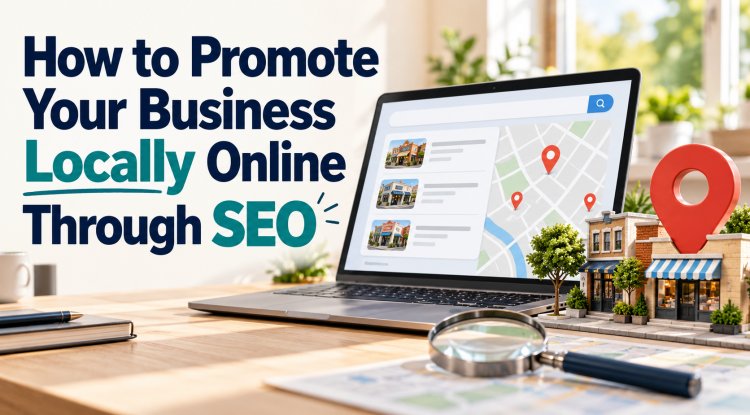
How to Promote Your Business Locally Online Through SEO
How to promote your business locally online with SEO: use local listings, useful content and search tactics to reach Australian customers with clear steps.
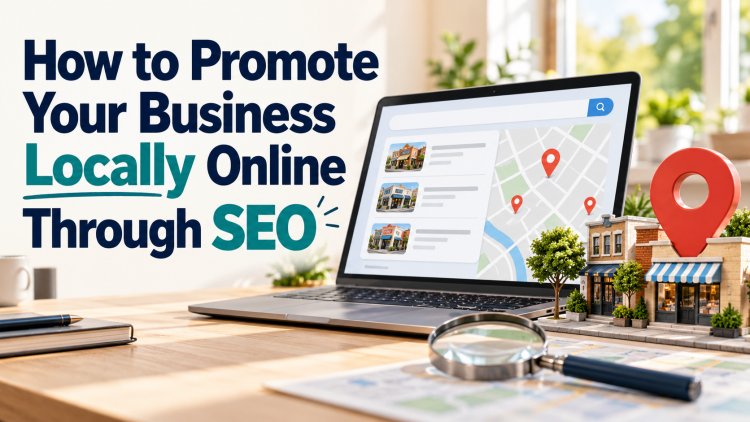
To promote your business locally online, start with accurate local listings, useful website pages and trustworthy customer reviews. These help you appear when nearby people are actively looking for products or services you offer. Local SEO means optimising a business’s online presence so it can appear in searches by people in a specific geographic area.
About 80% of consumers search online for local businesses at least once a week, and 32% do so daily. Of local searches, 76% lead to a store visit within 24 hours. SEO takes steady effort, so pair it with social media and other marketing rather than expecting an instant result.
Key Takeaways
- Choose a realistic service area.
- Keep business details accurate and consistent.
- Give each key service a useful page.
- Ask for honest customer reviews.
- Track calls, bookings and enquiries.
Your first step is understanding who your business serves and what those people search for.
Identify Your Local Audience and Search Area
A nearby customer searching for a service needs a result that actually serves their area. Start with your realistic reach: the customers you can help and the places you can reliably cover.
Choose your target audience and search area before investing in promotion. Look at existing customers, the services you offer and where you can deliver them well. A small business with a shop may focus on one suburb, while a service-area business might work across several suburbs.
Target the customers you can serve, in the places you can reach reliably.
Choose the customers and places you can serve
Review where current customers come from and which services they use. If you are starting out, define the people most likely to need your offer, such as new homeowners seeking an electrician or families looking for a local lunch spot.
Set boundaries that reflect travel time, staffing and the way you deliver. A plumber who visits homes can name the suburbs they cover. A shop with a physical location should make that address easy to find, rather than suggesting it serves every nearby area.
Match local search phrases to customer intent
People search by service, suburb or neighbourhood. Their wording can show whether they want basic information or are ready to contact a provider. A question about how a service works may need an explainer; a specific suburb and service often call for a direct service page.
| Example local search | Likely intent | Best destination |
|---|---|---|
| electrician in Fremantle | find a local provider | electrician service page |
| vegan lunch in Carlton | choose a place to eat | venue page or Google Business Profile |
| accountant for a new business in Parramatta | compare professional help | relevant accounting service page |
Check that each destination matches the search. Sending someone who wants lunch to a generic homepage makes them work harder to find practical details, such as the menu or opening hours.
Once you know who to reach and where, complete a Google Business Profile so customers can find the business and its key details.
Optimise Your Google Business Profile
A Google Business Profile is a free tool for managing how a business appears in Google Search and Maps. Make the details complete and current, so customers can decide whether to call, visit or book.
Claim and verify the profile, then choose the most accurate primary category. Add secondary categories only when they genuinely describe your business. A clear category helps connect your services and location with relevant searches.
Fill in the information customers use to choose
Enter your business name as it is used in the real world, along with the correct address or service area, phone number and website. Keep your NAP details consistent with your other public listings. If customers visit a shop, show its address; if you travel to them, make the service area clear.
Add opening hours, including special holiday hours, and list the products or services customers can actually get. Use relevant attributes that fit the business, such as access or payment options, when those fields are available.
Use genuine photos of the premises, team, products or completed work. A photo should help a customer recognise the entrance or understand what a service involves, not create an impression the business cannot deliver.
Make calls, directions and website actions easy to find. If customers can book online, use a working booking link. Test the links yourself so a customer does not land on an error page after deciding to contact you.
Keep the profile active and accurate
Review details when hours, services or contact information change. Check holiday hours before each closure, and publish useful updates regularly. A weekly update is a manageable cadence for sharing a service change, seasonal information or an event customers need to know about.
A brief update should answer a practical question, such as when a booking window opens or where customers can collect an order. Avoid posting just to fill space. Accurate information matters more than frequent, empty updates.
- Correct primary category.
- Complete contact and service-area details.
- Current opening hours.
- Relevant, genuine photos.
- Working website and booking links where available.
Check calls, direction requests and website actions when reviewing performance. A complete profile is only one part of local visibility; useful website pages support it with detail about your services.
Promote Your Business Locally Online Through SEO
Someone searching for an electrician in Fremantle needs a page about that service, not a homepage that makes them hunt. Connect each specific local search with a page that answers it.
Build a useful page for each important service, and create location pages only when they offer real local value. This helps search engines understand what the business does and where it works, while giving potential customers details they can use.
Build useful service and location pages
Write a dedicated page for each major service, with clear information about what is included and who it suits. Work suburb or city terms naturally into page titles, headings and descriptions where they help people understand the area covered.
A location page should add information specific to that place, such as access details, local project examples or service coverage. Do not create thin, near-identical pages by swapping suburb names. Those pages give people little reason to stay or contact you.
Keep your NAP details consistent and make service areas clear. If you do not serve a particular suburb, do not imply that you do. Clear boundaries save customers from making enquiries for work you cannot take on.
Make the website easy to use and understand
A website should work well on a phone, where a customer may be checking details while out and about. Make key information easy to scan, keep pages quick to load and use a simple menu that leads to services, contact details and bookings.
Use logical internal links between related pages. For example, a guide about preparing for a roof inspection can link to the roof inspection service page. This gives readers a useful next step and helps search engines understand how the pages relate.
LocalBusiness schema markup is a form of structured data that helps search engines understand business information, such as its name and address. It does not replace clear page content. Keep the details in the markup consistent with what customers see on the website.
Strong pages also need helpful, locally relevant information to earn attention. Planning content around real customer questions gives your website more ways to be useful.
Build Trust With Reviews and Accurate Local Listings
A customer who finds different phone numbers or opening hours on separate listings may not know which details to trust. Consistent NAP details help prevent confusion and make it easier to contact your business.
Keep your business name, address and phone number accurate wherever customers may find you. Correct information supports trust in your brand and reduces the chance that a customer turns up at the wrong address or calls a disconnected number.
Ask customers for an honest review after a real transaction or completed service. Make the request simple and neutral, without asking for a particular rating. Never offer a reward in exchange for a positive review.
Reply to positive and negative feedback professionally. Thank a customer for specific, useful comments, and respond calmly when someone raises a problem. Keep private details out of public replies, then offer a suitable way to continue the conversation directly.
Check whether other listings suit your business and its customers. Bing Places and Apple Business Connect can help people find local businesses through their services. Yelp may fit some sectors, while Australian industry and community directories can be useful when their audience matches yours.
- Bing Places.
- Apple Business Connect.
- Yelp.
- Local chamber of commerce or business association directories.
- Relevant industry directories.
Review key listings when your contact details or hours change. Keep a simple record of where the business is listed, so an old phone number does not linger unnoticed on a directory.
Reliable listings and thoughtful replies help people feel confident about contacting you. Your own website can add another layer of trust with useful local information customers can act on.
Publish Useful Content for Local Searches
A customer asking how long a common service usually takes needs a clear answer before choosing what to do next. Useful content can explain what affects the timing and what information to prepare.
Answer genuine customer questions with practical details, not invented prices or guarantees. Explain the factors that affect cost, timing, preparation or service choices, then make clear when the answer depends on the job or situation.
Answer the questions customers ask before buying
Collect questions customers ask by phone, email or during appointments. A short FAQ can answer what to expect before a first visit. A guide can explain how to prepare, while a case example can show how a business approached a real type of work.
Use concrete examples without promising the same outcome for every customer. For instance, explain which details help you estimate a job, or why the scope can change the time needed. This helps people compare services without treating a general example as a guarantee.
Local explainers can be useful when they solve a local problem. A guide to reaching a venue by public transport or an explanation of a council process can serve readers. Mentioning a suburb repeatedly without adding information does not.
Add local detail and distribute each useful piece
Give every piece a clear purpose and link it to a relevant service page. A guide about choosing an accountant for a new business should point readers towards the related accounting service, not a broad contact page with no context.
Choose a format that suits the question. A short FAQ may be enough for a straightforward query, while a step-by-step guide can help with a task that needs preparation. Keep the language plain and make the next action easy to spot.
Share useful content through suitable email or social channels so customers can find it. A local business could include a seasonal checklist in its newsletter or share a new guide with customers who often ask that question.
Publishing alone does not bring every useful page to its audience. Sharing helpful material can also give you a reason to join local conversations on social platforms.
Use Social Media to Join Local Conversations
A local shop with little spare time must choose between focusing on one active community platform or posting everywhere without time to engage. Start with the platform your audience uses, rather than trying to appear on them all.
Choose social media based on your customers and business type, then take part consistently. A visually led business may benefit from image-focused posts, while a service business may find local community discussions more useful.
Choose the platforms your local audience uses
Look at where customers already ask questions and share recommendations. You can ask new customers how they heard about you, then use those answers to decide where your time is most useful.
Use location tags where available, share behind-the-scenes material and take part in community events. A bakery might show how it prepares for a local market; a tradie could share a plain explanation of a common repair without turning every post into a sales pitch.
Post helpful, genuine updates and engage
Answer questions in local groups when your knowledge is relevant, and follow each group’s rules. Do not join only to advertise or post the same offer repeatedly. Helpful participation builds familiarity; unsolicited promotion can push people away.
The 5:3:2 rule is a flexible rule of thumb for every ten posts: five curated posts, three original posts and two personal or humanising posts. Treat it as a planning prompt, not a requirement. The right mix depends on what your customers find useful.
Direct profile visitors to a relevant page, such as a menu, service detail or booking page, rather than sending everyone to the homepage. Before posting, check that claims are accurate and customer information is shared only with permission.
Avoid misleading claims, excessive sales pitches, sharing customer details without permission and entering groups only to advertise. Organic community activity can build awareness over time; paid campaigns can reach a defined local audience faster.
Reach Nearby Buyers With Paid Ads and Local Partnerships
A business that needs calls this week may use paid advertising, while one building lasting organic visibility invests in local SEO. Paid search can give quicker visibility as SEO builds over time, but each needs a clear role.
Test one paid channel with a defined goal and a firm budget limit. Set the campaign to reach places you can serve, and exclude areas outside your service boundary.
Test paid ads in a serviceable area
Google Search ads can reach people showing local intent, while social ads can introduce an offer to people in a chosen area. Google Ads can target a radius or postcode and exclude places the business cannot serve.
Start with one goal, such as calls or bookings, and set a small controlled budget you can afford to spend. Keep the message and destination page relevant to that goal. If you advertise a specific service, send people to its service page rather than a broad homepage.
| Channel | How local reach is set | Time to visibility | Best role |
|---|---|---|---|
| Local SEO | Service and location pages plus local profile | Builds over time | Ongoing organic discovery |
| Google Search ads | Radius or postcode plus search intent | Can appear after campaign approval | Reach people actively searching |
| Meta ads | Location plus selected audience characteristics | Can appear after campaign approval | Local awareness and offers |
Build reach through local partners and creators
Complementary businesses can introduce you to customers with related needs. A wedding photographer and a florist, for example, may share a useful offer or refer customers, provided both businesses agree on the terms.
Local community or event partnerships can put your business in front of people nearby. Agree on what each party will provide, such as a venue, product sample or promotion, and how results will be tracked.
A micro-influencer is a local creator with a smaller, engaged following; micro-influencers are often described as having about 1,000-10,000 followers. Choose someone whose audience and content suit your business, not just a large follower count.
Set out the exchange before work begins, and disclose paid or gifted promotion where required. Spending on campaigns or partnerships without tracking makes it hard to tell what works, so measure the response before deciding what to repeat.
Track Results and Refine Your Local Marketing
A local business can track calls, direction requests, website clicks and the search queries people used to find it. Google Business Profile insights can show these actions and queries, giving you practical signals to review.
Measure enquiries, bookings and other actions that matter more than activity alone. Likes, reach and page views can show attention, but they do not prove that the right customers contacted your business.
Track the actions that can lead to customers, not just the activity that looks busy.
Measure actions that matter to the business
Choose measures that reflect how customers buy from you. A restaurant may watch bookings and direction requests, while a service business may focus on relevant website enquiries and calls.
Use UTM parameters, short pieces of information added to a link, to identify visits from a profile or campaign in website analytics. Give each campaign link a clear label, so you can separate traffic from different places and promotions.
Google Business Profile insights can show calls, direction requests, website clicks and search queries. These details help you see how people discover the business, but a click does not necessarily become a booking or sale.
Use results to choose the next improvement
Compare results by page, location and campaign over time. A single quiet day may not show a lasting pattern. Look for repeated changes, such as one service page receiving visits but few enquiries, or one location producing calls that you cannot serve.
Record changes to your marketing alongside the results. If you update a service page and change an offer in the same week, it becomes harder to know which change affected enquiries.
- Record a starting baseline.
- Tag campaign links.
- Track enquiries or bookings.
- Review the results and change one priority at a time.
Use the results to choose a practical next step, not to chase every new metric. If one page is unclear, improve its service details or contact path before adding more content.
Start with one important gap, improve it and check whether the change helps. A focused adjustment gives you a clearer result than changing several parts of your marketing at once.
Conclusion
Consistent, useful local visibility is more valuable than trying every marketing channel at once. Accurate business information and genuinely useful pages give customers a clear path from search to contact.
Start by checking your Google Business Profile and one key service page. Confirm that the details are correct, the page answers a customer’s question and the next step is easy to take.
Choose one profile or page improvement today, then set a date to review its results.
FAQ
How to promote business locally?
What is the 5:3:2 rule for social media posts?
What must be avoided in social media posts?
What is the 40-40-20 rule in marketing?
How long does local SEO take?
Can a service-area business promote itself locally without a shopfront?
What's Your Reaction?